
Our work improves the health of the landscape and the population. We know our approach is effective because we’ve been doing it for over two decades. It’s not just us telling you this. The proof of our impact is told by those who have experienced our service.
Every year, one in four adults in England and Wales experiences a mental health problem.
Too many of these people are currently waiting for treatment. As a result, people are arriving at services more unwell than before. The number of people with common mental health problems went up by 45% between 1993 and 2023/24, in both men and women.
Some waiting lists for mental health support in Cumbria exceed 2-years.
Cumbria has a higher-than-average suicide rate, with an increase in recent years.
West Cumbria has one of the highest suicide rates in the country. In 2022/23, over 40,000 people in the Cumberland area were recorded as having depression, which is over a third higher than the England average.
Our current data set proves Growing Well’s structured mental health intervention makes a significant, positive difference to the lives of people experiencing mild, moderate and severe/complex mental health. We continue to grow our data set and enhance our analysis to add weight to this evidence.
More than this, Growing Well’s horticultural context provides tangible benefits to wider communities: strengthening bonds, creating a voice and space for marginalised groups, promoting participation and improving local food chains with our beautiful, organic produce.
We are totally passionate about the importance of robust, professionally governed community mental health services. In the green care space, we champion the need for a meaningful, accessible output of 100% homegrown produce to underpin sustainability and make a genuine difference.
 The Growing Well Impact Report 2025 demonstrates our work and some of the life-changing results we’ve helped happen.
Quick Links
Each year at Growing Well…
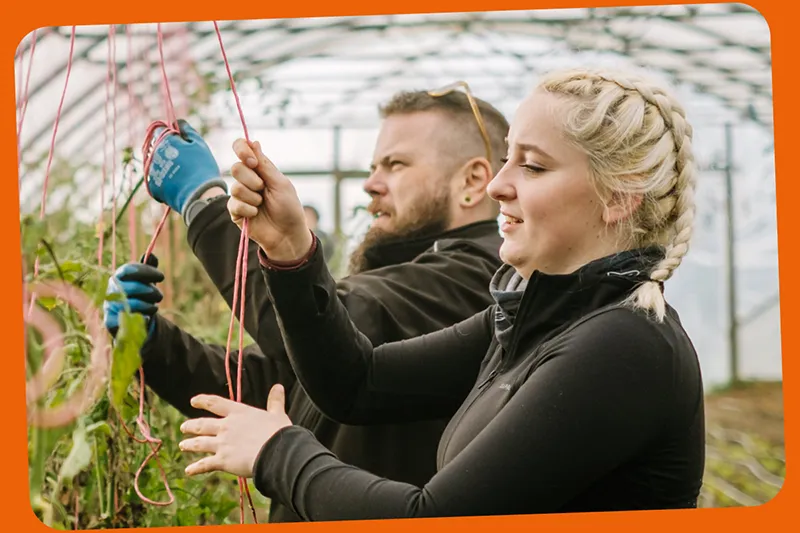
We can support up to 900 people, annually, across our three sites at Kendal, Tebay and in West Cumbria.
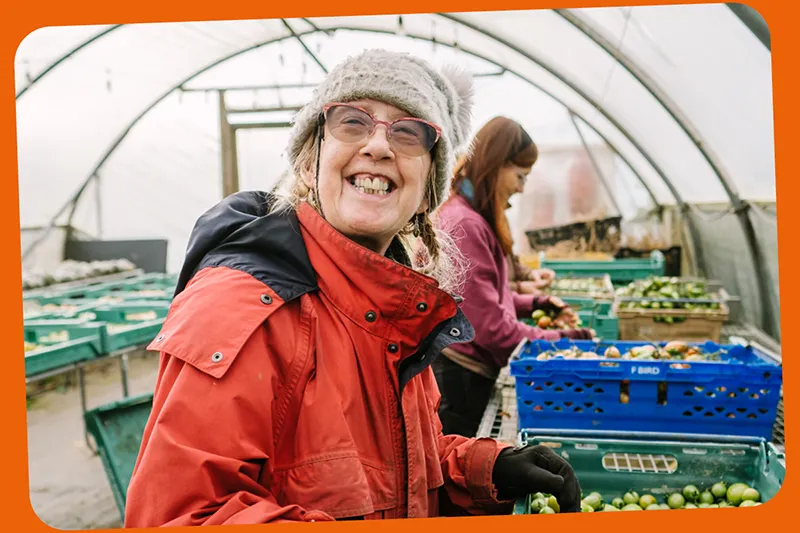
We deliver over 3,300 hours of structured horticultural activity across all our sites every year.
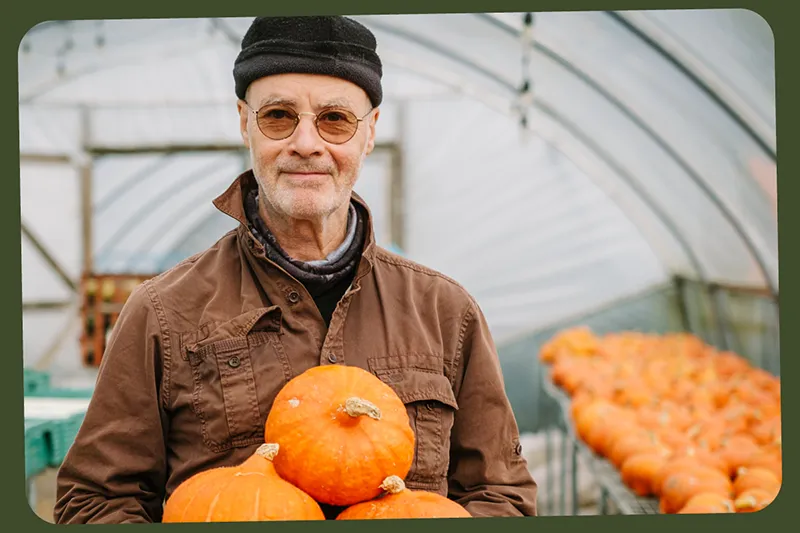
Over 5,700 weekly Crop Share boxes are sold and distributed across Cumbria, with veg grown by the people we support.
In 2025, 96.1% of people who engaged with our service said attending Growing Well had a positive effect on their mental health
Between 40-50% of beneficiaries move on from Growing Well to full/part time employment, education and unsupported volunteering.